


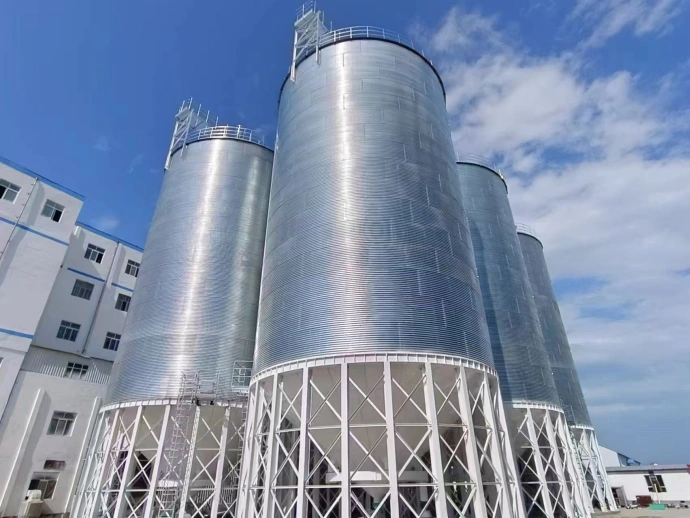
Galvanized Steel Maize Silos for Commercial Grain Storage
We design and manufacture maize silos around the way maize is actually received, stored and discharged. Silo diameter, height, wall reinforcement, roof structure, aeration, monitoring and unloading interfaces are coordinated with grain condition, storage period, site loads and turnover rate—not selected by tonnage alone.
Why Maize Needs a Silo Designed Around Airflow and Grain Condition
Harvested maize can arrive with large differences in moisture, temperature and fines content. Broken kernels and fines can settle into denser zones, increase airflow resistance and create local hot spots. Warm grain, seasonal temperature changes and roof condensation can further increase storage risk if the silo is not configured for the actual operating conditions.
We therefore design the silo around grain depth, expected storage duration, airflow resistance, filling pattern and discharge cycle. If incoming maize needs moisture reduction, drying is treated as pretreatment—the silo is engineered to store conditioned grain, not to replace a dryer.

How DACHENG Engineers a Maize Silo
A maize silo is more than storage volume. It must combine structural strength, grain-condition management, practical operation and long-term serviceability in one storage unit.
-
01
Galvanized corrugated shell & stiffeners
Wall plates and stiffener layout are selected around silo diameter, height, stored-grain load and local wind or seismic conditions, creating a structure sized for the project rather than a catalogue-only configuration.
-
02
Roof structure planned for real equipment loads
Roof framing, top access, vents and conveyor-support interfaces are coordinated with the selected filling arrangement and roof-mounted equipment so the silo and handling equipment work as one engineered structure.
-
03
Aeration floor designed for maize grain depth
Aeration-floor layout and fan duty are matched to grain depth and airflow resistance, helping cooling air move through the stored maize more evenly instead of relying on nominal fan capacity alone.
-
04
Monitoring & ventilation interfaces built in
Temperature cables, roof ventilation, inspection openings and access points can be incorporated into the silo design to support routine grain-condition checks and condensation management.
-
05
Filling, unloading & sweep-cleanout coordinated
Inlet, center outlet, sweep unloading and conveyor interfaces are planned around required throughput, helping operators empty the silo more efficiently and reduce residual grain after discharge.
-
06
Service access & future expansion considered
Doors, ladders, platforms, inspection access and silo-group spacing can be planned for maintenance and for additional silos when the storage site expands.
Buy the Maize Silo First. Add Supporting Equipment Only Where Needed.
The maize silo remains the core storage asset. When required, we can also match the interfaces and capacities of receiving, cleaning, optional drying, conveying, aeration, monitoring and discharge equipment to reduce later redesign and site modification.
Receiving interface
Truck unloading, receiving pit and intake-rate coordination
Cleaning / optional drying
Remove impurities and reduce moisture only when the grain condition requires it
Elevating & conveying
Match conveying capacity, transfer height and silo inlet arrangement
Aeration & monitoring
Fans, aeration floor, temperature sensing and roof ventilation as required
Unloading & dispatch
Center outlet, sweep unloading and downstream loading coordination
Four Practical Advantages of a DACHENG Maize Silo
More than a place to hold grain—capacity, durability, operation and expansion are planned from the start.
We translate the storage duty into silo geometry, structure, aeration and discharge interfaces, helping reduce late-stage modification and equipment-interface rework.
High capacity with efficient use of site space
Configure single-silo capacity and silo count around total storage and batch separation for centralized receiving and commercial inventory management.
Galvanized steel structure for long-term outdoor service
Shell sheets, stiffeners and roof components are selected around project loads and environmental conditions for strength and durability.
Aeration, monitoring and discharge interfaces planned early
Operating interfaces are prepared during engineering, reducing late drilling, modification and equipment re-matching during installation.
Project-specific geometry with room to expand
Diameter, height, outlet arrangement and equipment interfaces can be customized, with future silo additions considered during site planning.
Choose the Maize Silo by Capacity, Storage Period and Turnover
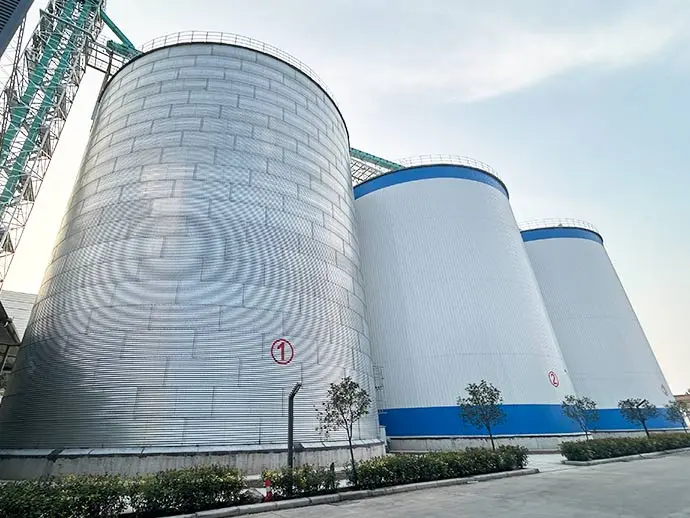
Flat-Bottom Maize Silo
The primary choice for large-volume maize storage and longer holding periods. It offers efficient use of site area and can be configured with full-floor aeration, temperature monitoring, center discharge and sweep unloading.
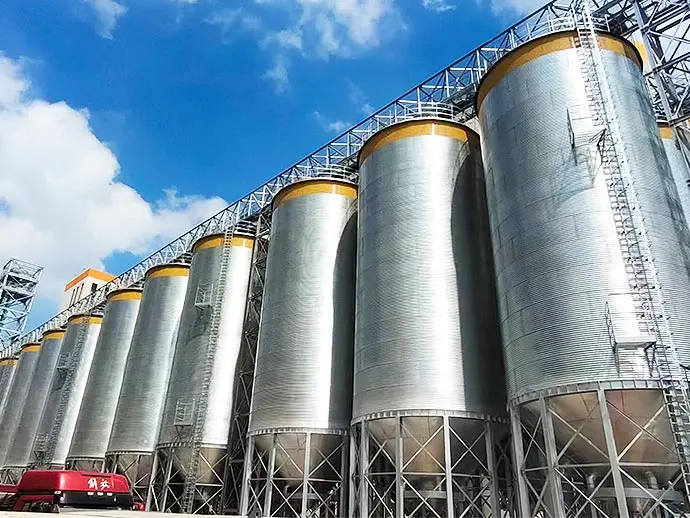
Hopper-Bottom Maize Silo
Better suited to buffer storage, smaller batches and frequent turnover. Gravity discharge simplifies emptying, while hopper angle, outlet size and support structure are engineered for the selected capacity and operating load.
15,000 t Maize Silo Group — 3 × 5,000 t Flat-Bottom Silos
This commercial maize storage project uses three 5,000-ton flat-bottom silos with 15,000 tons of combined nominal capacity, demonstrating large-capacity silo storage for centralized receiving, long-term holding and grain-condition management.
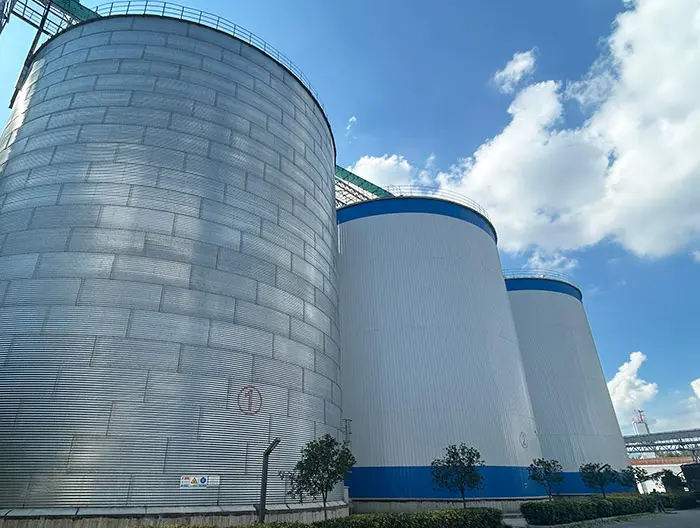
Three Large-Capacity Silos as the Core Storage Assets
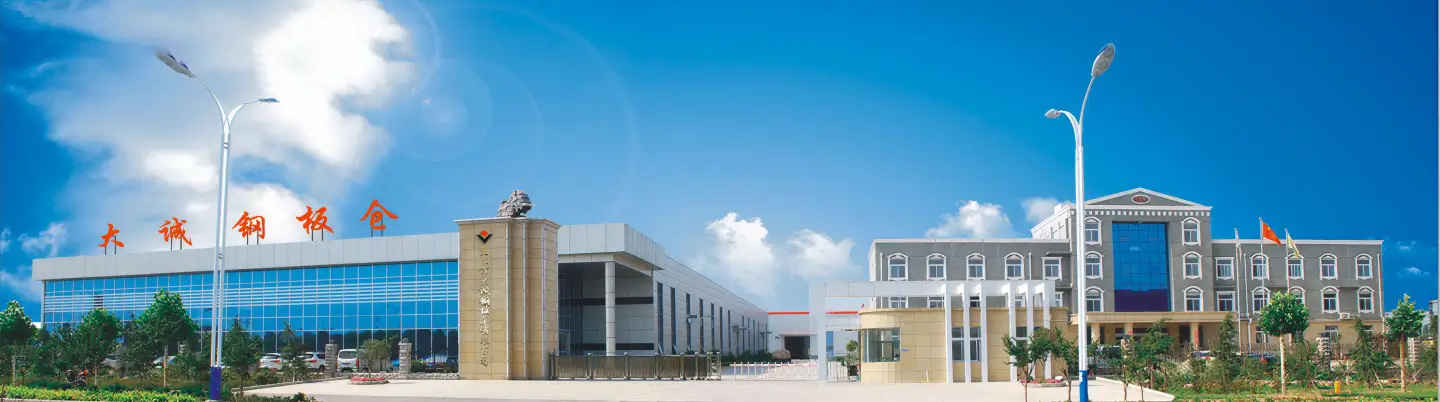
Engineered by Our Silo Team. Manufactured in Our Own 80,000 m² Production Base.
We combine silo structural engineering with in-house steel processing and project manufacturing. Shell sheets, stiffeners, roof components and supporting steelwork are produced to approved drawings through cutting, shearing, bending, punching, forming and inspection.
Our manufacturing base covers more than 80,000 m². Our equipment includes 10 CNC lathes, 6 CNC shearing machines, 8 CNC bending machines, 3 laser cutting machines, 3 punching machines and an 800-ton press, giving us direct control over project-specific silo fabrication.
From Silo Engineering to Factory Fabrication, We Keep the Critical Steps In-House
Steel silos are our core product, with broader project capability available when you need it.
You can buy the maize silo as the main product. If the project also needs cleaning, conveying, drying, aeration, monitoring, electrical control, installation guidance or commissioning, we can extend the same project scope.
Long-term focus on grain silos
Our work has remained centered on grain silo engineering, manufacturing and project delivery, helping us identify the design priorities behind different capacities and storage duties.
Experience across different sites and capacities
Our project base covers different capacities, site conditions and grain applications, providing practical references for silo type, layout and interface planning.
Match the duty before we manufacture
We first confirm capacity, maize condition, site, foundation, climate and intake/discharge requirements, then finalize silo type, structure and equipment interfaces.
Maize Silo Buying & Design FAQs
Can high-moisture maize go straight into a silo?
The answer depends on actual moisture, temperature, storage duration and the available conditioning process. Wet maize may deteriorate rapidly; drying or another appropriate management strategy may be required.
Is a dryer mandatory in every maize silo project?
No. Drying equipment is selected according to incoming grain condition and the storage plan; it is not a mandatory component of every project.
How is aeration capacity determined?
Airflow and fan selection depend on grain depth, resistance, fines, climate and whether the aim is cooling or another conditioning task. Final values require engineering calculations.
What information is needed for a maize silo proposal?
Tell us your required tonnage, maize moisture range, daily intake/discharge rate, storage duration, project location, climate and desired automation level.
Tell Us the Maize Capacity and Storage Duty You Need
Share your required tonnage, maize condition, storage period, intake/discharge rate, site location and available footprint. We can recommend the silo type, geometry, unloading concept and only the supporting equipment your project actually needs.